Spring Warmth
Soft peach, linen white, and muted gold
Understanding how hues, tones, and contrasts shape the personality and mood of every room in your home.
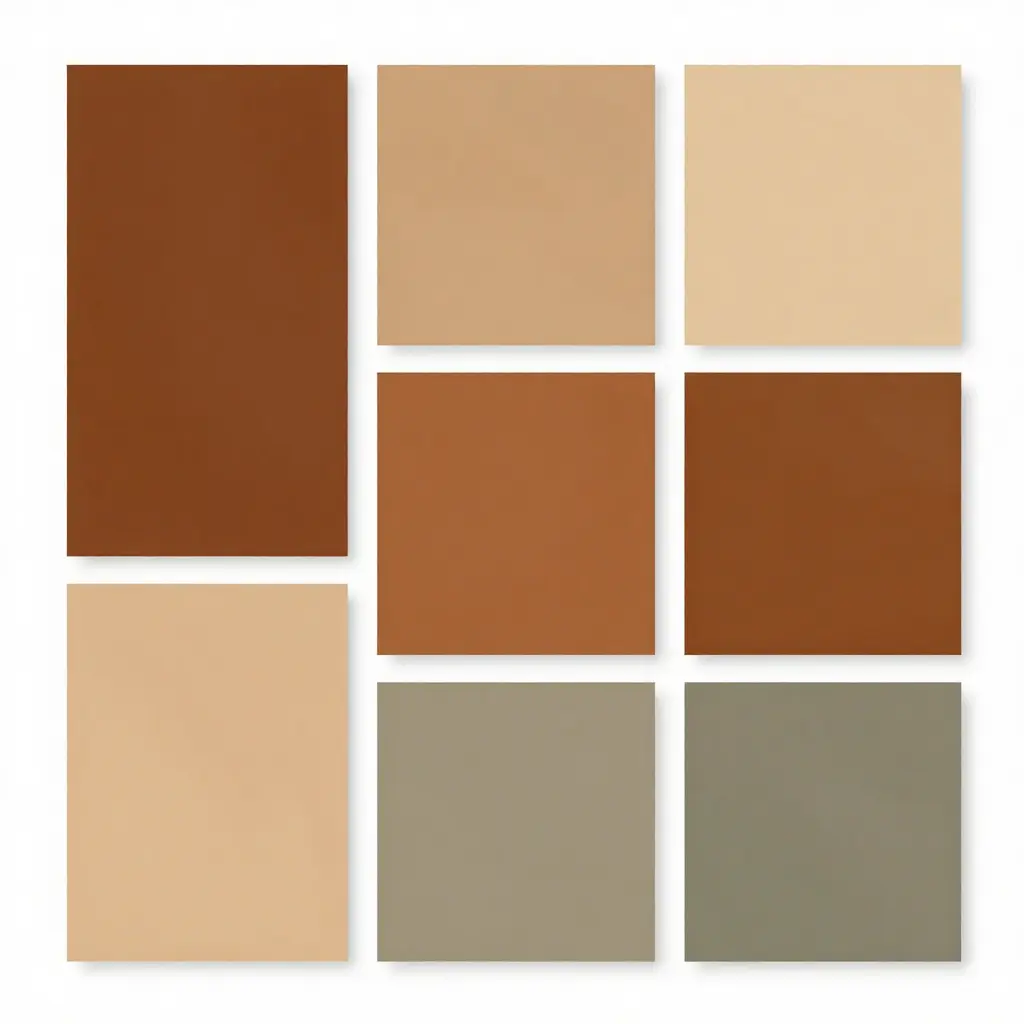
Colors do more than decorate — they influence emotions, perception of space, and daily routines. Warm tones like terracotta and amber create feelings of comfort and closeness, while cooler shades like sage and slate lend a calming, expansive quality.
When planning a room, consider how each color interacts with natural light throughout the day. Morning sun warms cool blues, while afternoon shade softens bright yellows. This interplay is key to achieving a balanced atmosphere.
Explore curated palettes that draw from nature's ever-changing canvas, perfect for refreshing your living spaces.
Soft peach, linen white, and muted gold
Sage green, ivory, and pale sky
Terracotta, deep amber, and charcoal
Slate blue, cream, and dark walnut
Simple strategies to help you integrate color harmoniously into any room without overwhelming the space.
Use your dominant color for 60% of the room, a secondary color for 30%, and an accent for the remaining 10%. This creates visual balance and cohesion.
Using different shades of the same color family adds depth and sophistication. Monochromatic schemes feel serene while maintaining visual interest.
Always view paint samples and fabric swatches under natural and artificial light. Colors shift dramatically between morning sun and evening lamps.
Begin with accessories like cushions, throws, and ceramics before committing to wall colors. This lets you test combinations with minimal effort.
Our specialists can guide you toward a palette that reflects your taste and enhances your daily living experience.
Talk to Us